 EN
EN

Introduction
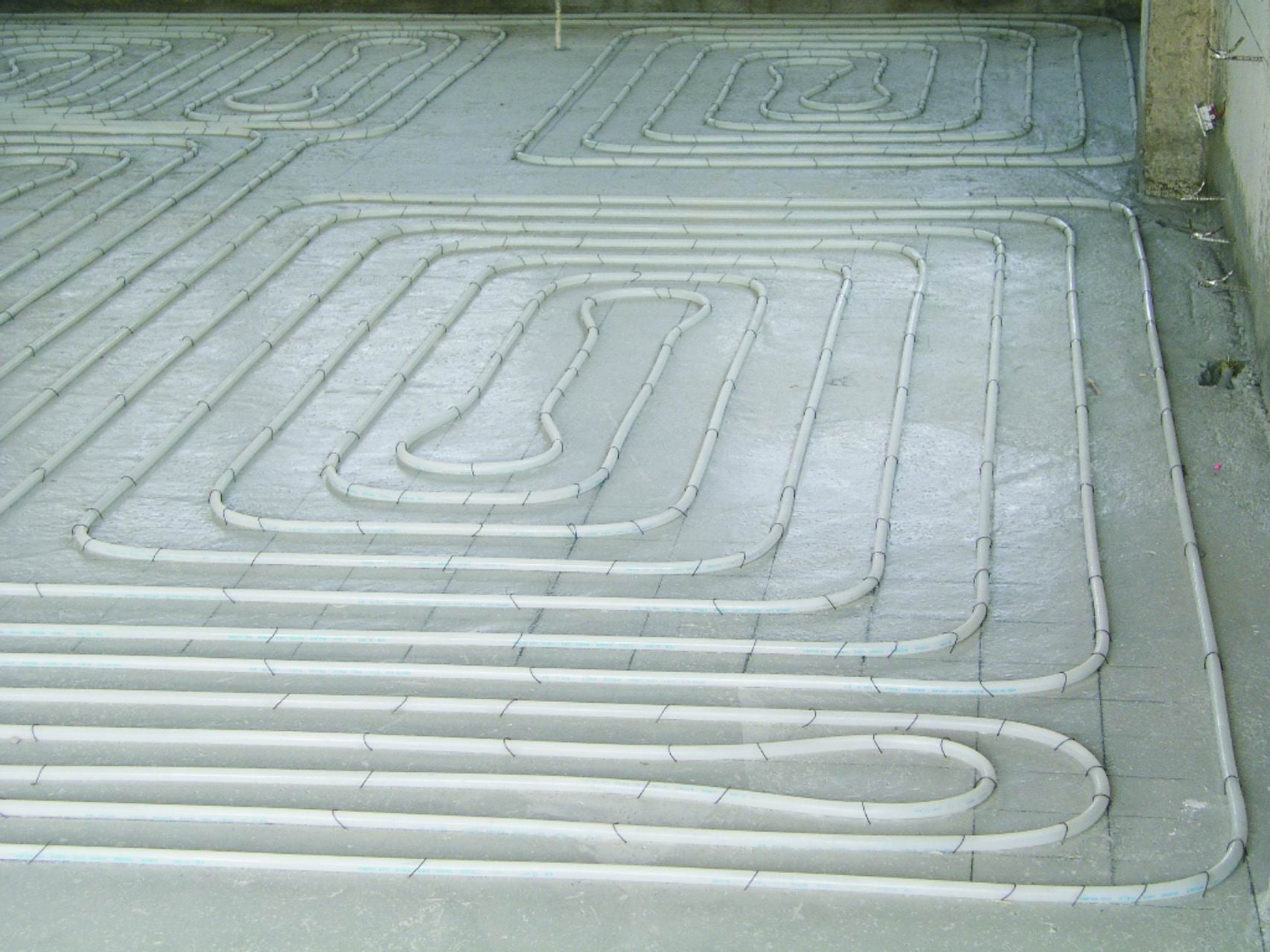
Traditional floor heating backfill materials such as ordinary concrete have prominent drawbacks: heavy self-weight, poor thermal insulation performance, easy cracking, and high transportation and construction costs. Foam concrete, with its ultra-light weight, excellent heat preservation, self-leveling and non-shrinking characteristics, has gradually become the mainstream backfill material for floor heating projects. Specialized foam concrete floor heating construction equipment can complete automatic batching, foaming, mixing and one-time pumping pouring, greatly improving construction efficiency and ensuring uniform quality of floor heating backfill layers. This article will comprehensively introduce the working principle, core advantages, equipment configuration and construction operation points of foam concrete floor heating equipment, providing reference for engineering contractors, construction teams and real estate developers.
1.Why Choose Foam Concrete for Floor Heating Backfill?
1.1 Lightweight reduces building load
The dry density of foam concrete for floor heating is only 300–800kg/m³, far lower than 2400kg/m³ of ordinary gravel concrete. Long-term use can effectively reduce the permanent load of the floor slab, lower the structural reinforcement design standard of the building, and save the overall construction cost of the project. It is especially suitable for renovation projects of old buildings, villas and light steel houses with strict load limits.
1.2 Outstanding thermal insulation & energy saving
The closed-cell foam structure inside the material forms a natural heat insulation layer, which can avoid heat loss downward from the floor heating pipeline. Compared with traditional mortar backfill, it improves heat utilization efficiency by more than 20%, reduces the long-term heating energy consumption of residents, and meets national energy-saving building standards.
1.3 Crack-resistant & pipeline protection
Foam concrete has good compressibility and flexibility, no shrinkage and hollowing after solidification. It can closely wrap the geothermal pipeline, buffer the thermal expansion and contraction of the pipeline, effectively prevent floor cracking caused by temperature changes, and extend the service life of floor heating systems.
1.4 Fast construction & low comprehensive cost
Manual mixing of traditional backfill is slow and labor-intensive. Foam concrete special equipment integrates mixing and pumping, one-time pouring forming, the construction speed is 3–5 times faster than manual operation, and can greatly save labor, material transportation and post-maintenance costs.
2. Core Composition & Working Principle of Foam Concrete Floor Heating Construction Equipment
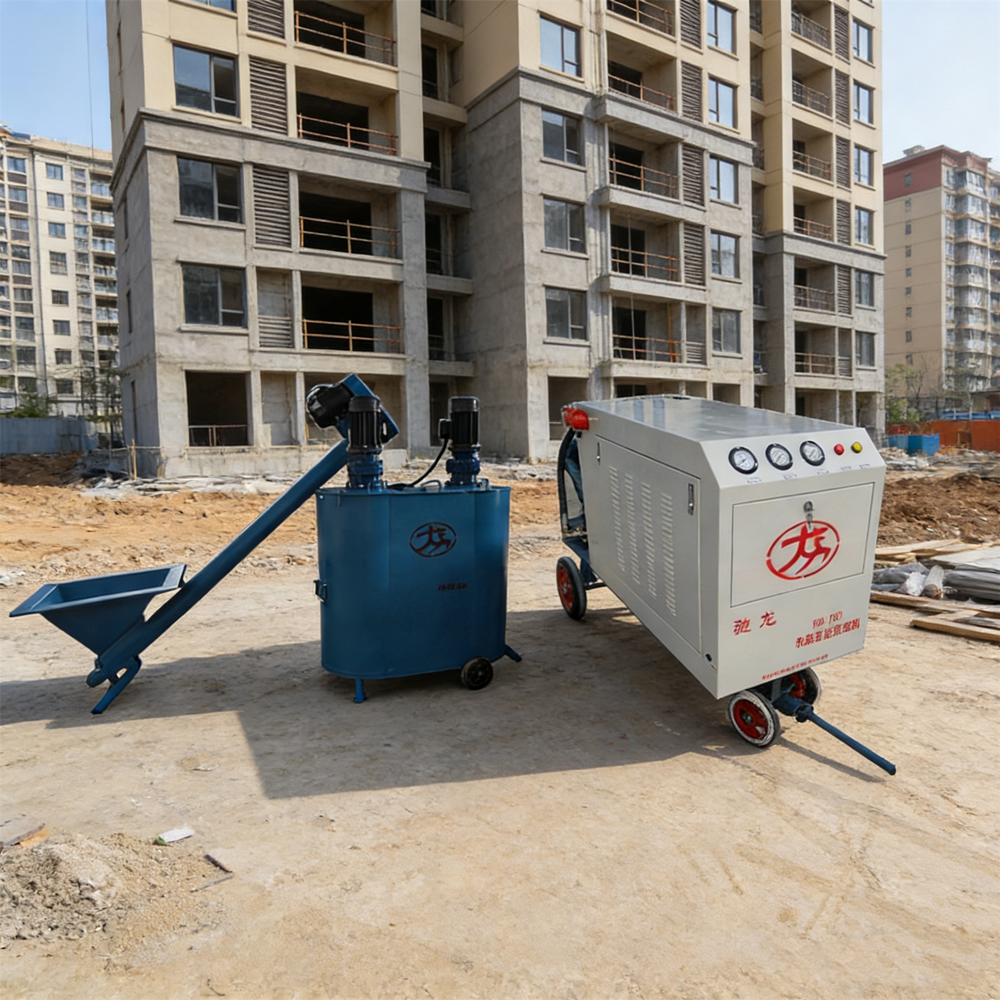
A complete set of floor heating dedicated foam concrete equipment mainly includes four core modules: high-efficiency foaming machine and pressure conveying pumping system,mixing,feeding.
1. Mixing and feeding
Automatically measure cement and water according to the set formula,fully stir evenly in the mixing cylinder.
2. High-pressure foaming system
Compressed air fully mixes the diluted foam agent to produce tiny, uniform and stable closed-cell foam, which is fused with cement slurry to form lightweight foam concrete slurry, avoiding large pores and hollowing of the finished layer.
3. Horizontal pumping conveying system
Foamed slurry can be continuously transported to the floor heating construction surface through the delivery pipeline, with a horizontal conveying distance up to 80–120 meters, suitable for large-area residential buildings, commercial floor heating construction, and narrow room layout of villa projects.
Working flow: Foam agent (stored in raw material barrels) → water dilution foaming → automatic mixing with cement base material → pressure pumping conveying → one-time flat pouring on floor heating coil layer → natural curing forming.
3. Unique Advantages of Special Floor Heating Foam Concrete Equipment
3.1 Integrated machine, easy site transfer
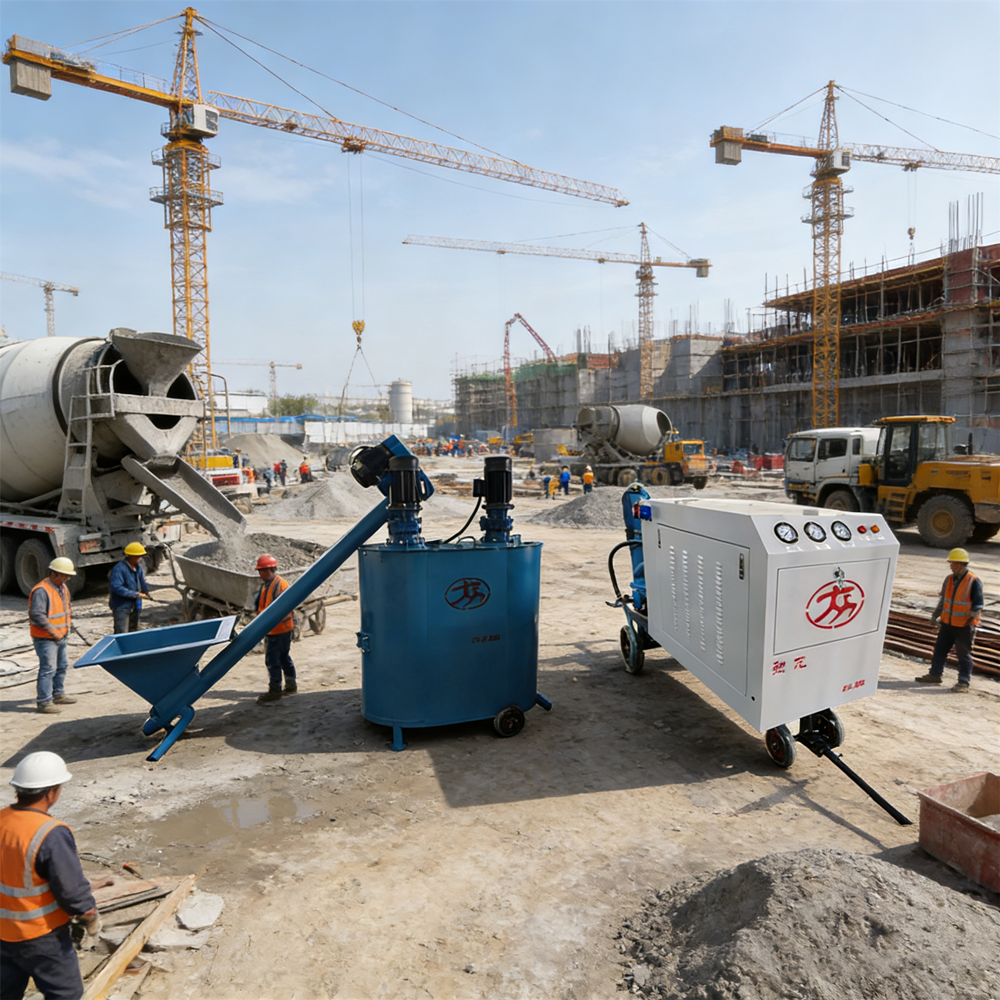
The whole equipment adopts integrated frame design, small footprint, can be pulled by small tricycles and vans, and can quickly switch construction sites in residential quarters, underground garages and villa areas. Unlike large fixed foam concrete production lines, it is more suitable for decentralized indoor floor heating small and medium projects.
3.2 Adjustable density, multi-scene adaptation
The foaming ratio and material ratio can be freely adjusted through the control panel: low density 300–500kg/m³ for light insulation backfill of light steel villas; medium density 600–800kg/m³ for high-strength backfill of commercial housing floor heating, one set of equipment meets all floor heating engineering needs.
3.3 Low failure rate, easy maintenance
The pump body and mixing cylinder are made of thickened wear-resistant steel plates, the pipeline is anti-blocking special design, and the foam agent feeding system is equipped with anti-clogging filter. Daily cleaning only needs to flush the cylinder and pipeline with clean water after construction, no complicated maintenance procedures, suitable for long-term continuous construction by construction teams.
3.4 Low noise construction, meet indoor operation standards
The motor and pumping system are equipped with silent shock-absorbing pads, the overall operating noise is lower than 75 decibels, which will not interfere with residents’ rest during construction in completed residential areas, and pass the environmental noise inspection of construction sites.
4. Standard Construction Process for Floor Heating with Foam Concrete Equipment
Step 1: Pre-construction preparation
Clean the floor base surface, fix expansion joints around the wall; place raw material foam agent barrels on the idle side of the construction site, connect the equipment power supply, water source and delivery pipeline, and check the foaming and pumping system for normal operation.
Step 2: Formula debugging & test foaming
According to the design load and heat insulation requirements of the building, set the proportion of cement, water and foam agent on the equipment control panel, conduct small-scale test foaming, observe the slurry fluidity and pore uniformity, and adjust the foaming ratio until it meets the construction standard.
Step 3: Continuous pumping pouring
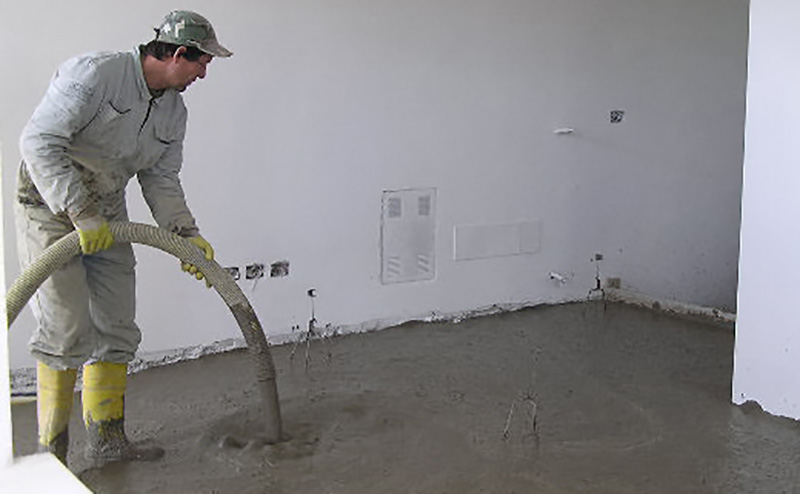
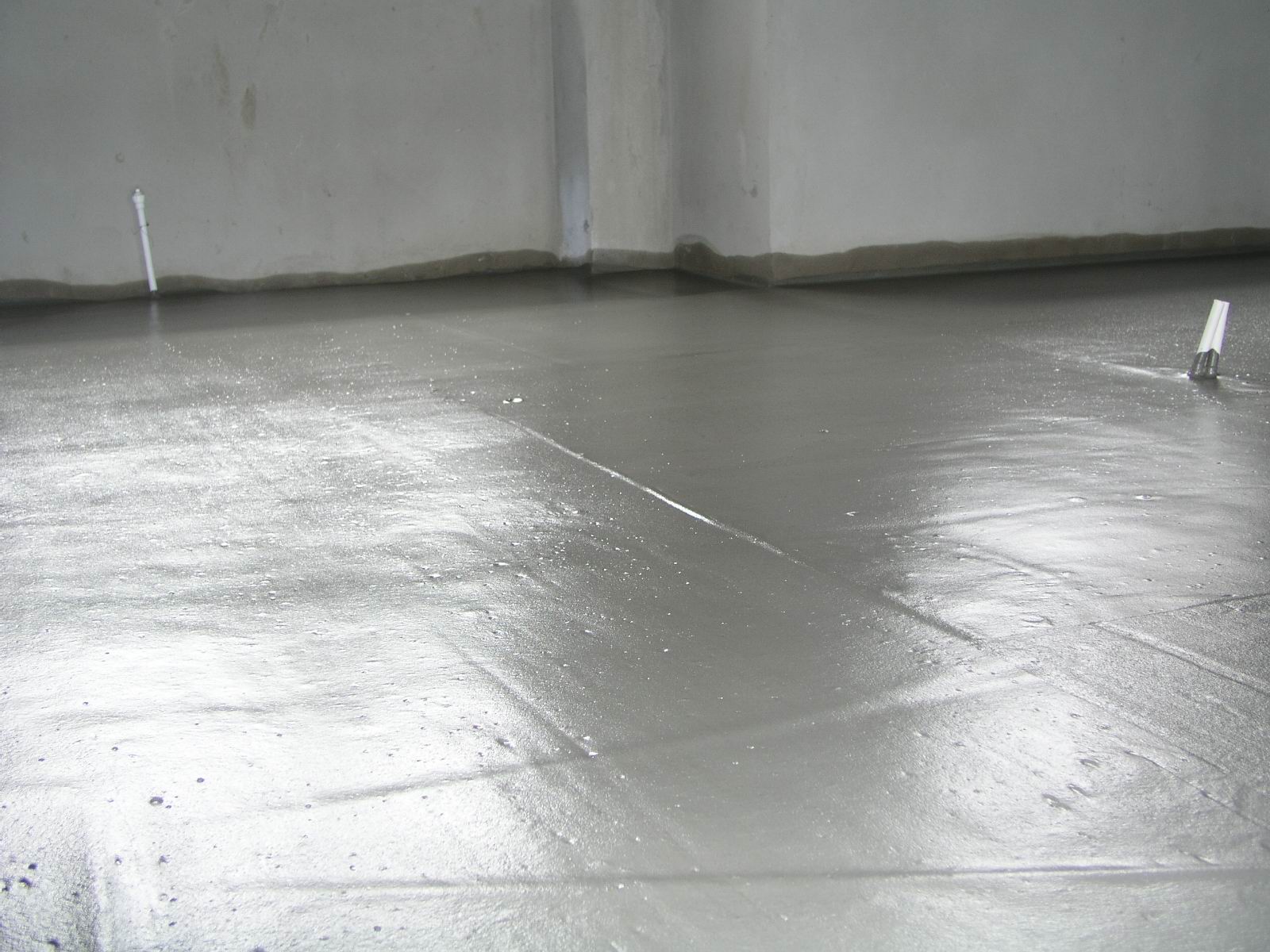
Start the integrated equipment, the prepared foam concrete slurry is automatically pumped to the floor heating layer, and the workers cooperate with a flat scraper to level the backfill layer at one time, with a uniform thickness controlled at 3–5cm, fully wrapping the floor heating pipeline without dead angles.
Step 4: Natural curing & subsequent construction
After pouring, close the doors and windows for natural curing for 3–7 days, avoid trampling before initial setting; after the backfill layer is fully hardened, carry out floor tile, wood floor and other surface construction.
5. Applicable Engineering Scenarios of the Equipment
1. Residential community centralized floor heating backfill construction (high construction efficiency, suitable for large-area continuous operation)
2. Light steel villa, prefabricated house floor heating renovation (ultra-light foam concrete does not increase structural load)
3. Old residential building heating transformation project (small equipment, easy to enter elevators and narrow stairwells)
4. Shopping malls, office buildings, underground shopping malls large-area ground insulation floor heating
5. Bathroom, kitchen local floor heating lightweight backfill, slope leveling construction
Conclusion
With the popularization of energy-saving buildings and light steel prefabricated construction, foam concrete will completely replace traditional mortar and ordinary concrete as the preferred material for floor heating backfill. Professional foam concrete floor heating construction equipment realizes automatic, fast and standardized construction, solves many pain points such as slow manual construction, unstable material quality and excessive floor load. For construction contractors and equipment purchasers, selecting a complete set of integrated foaming and pumping equipment matched with dedicated foam agent raw materials can effectively improve project profit margins, shorten construction cycles, and form a competitive advantage in the floor heating engineering market.