EN
EN

Preface
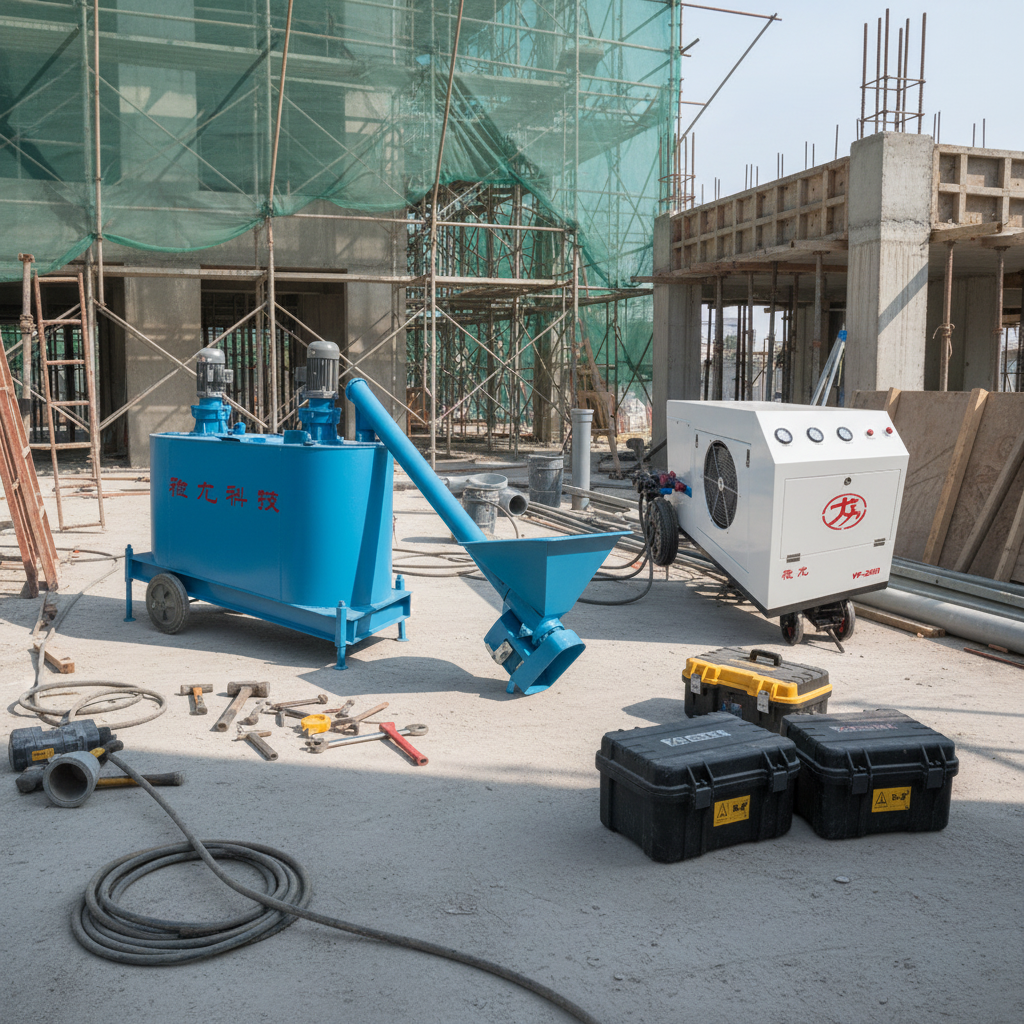
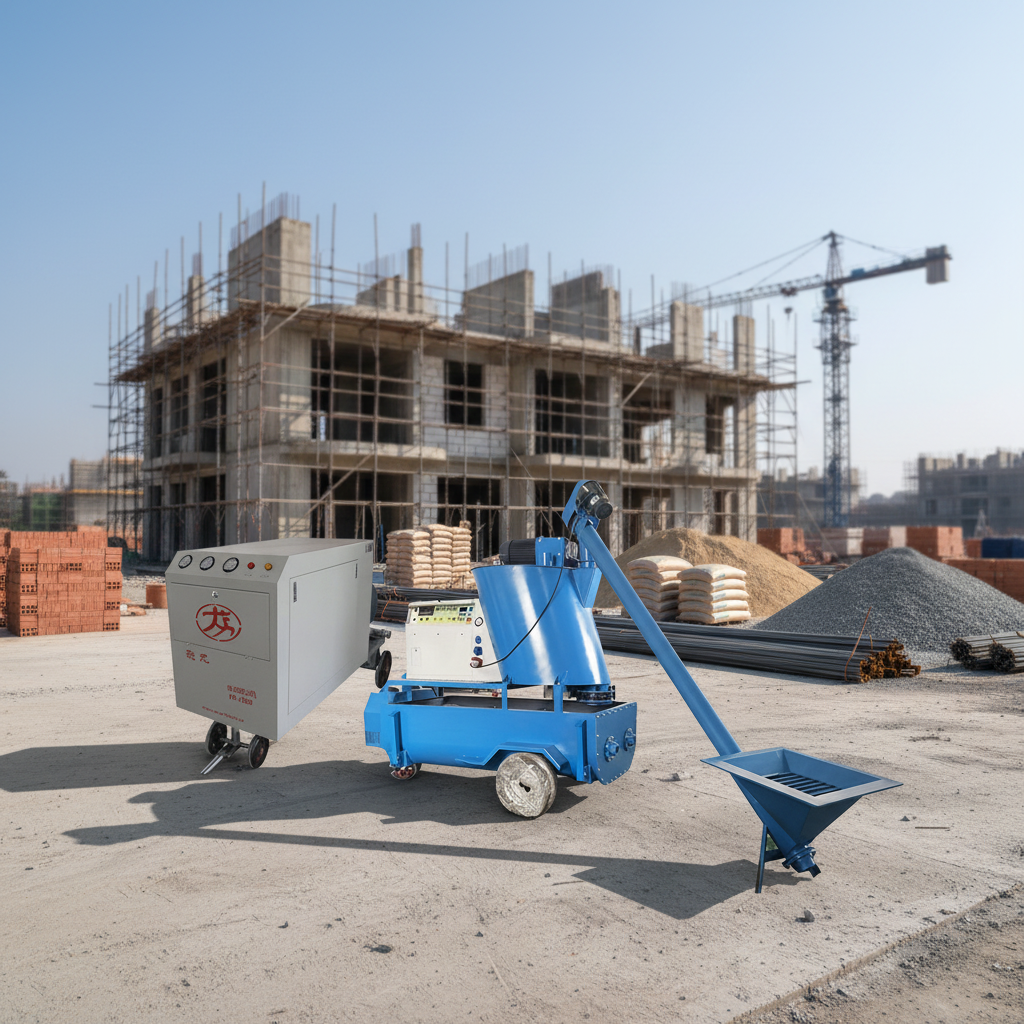
The dual carbon policy has driven green buildings to be fully implemented. foam concrete has become the mainstream material for roof insulation, ground heating backfill, tunnel foundation pit, road and bridge soft foundation replacement by virtue of its advantages of lightweight insulation, fire and sound insulation, and low-cost filling. The foam concrete equipment (cement foaming machine) is the core equipment that determines the slurry stability, construction efficiency and project qualification rate.
The traditional manual stirring foaming has the problems of uneven foam thickness, out of control density, difficult long-distance transportation and high labor cost; A new generation of integrated full-automatic foam concrete equipment integrates foaming, mixing, high-pressure pumping, and intelligent batching systems to achieve one key continuous construction, which is suitable for all kinds of projects such as home decoration, housing construction, municipal administration, and transportation. This article fully disassembles the equipment structure, core advantages, applicable scenarios, and selection criteria, providing practical procurement references for engineering contractors and building materials manufacturers.
1、 Composition of complete foam concrete equipment system
A set of standard engineering grade foam concrete equipment is divided into four core units. The configuration of small mobile models is slightly different from that of large full-automatic production lines:
1. Intelligent foam host (foam generator)
High pressure homogeneous foaming, closed cell foam is fine and stable, foam magnification is adjustable, the density range of finished slurry is 300 – 1400kg/m ³, and the density error is controlled within ± 5% to prevent hollowing, cracking, settlement and collapse after pouring. Compatible with various general cement foaming agents, stable foaming in low temperature environments (-10 ℃), unrestricted for winter construction.
2. Mixing and batching system
Mixing the slurry evenly without clumping, supporting continuous and uninterrupted discharge.
3. Pumping system
Core construction conveying module, high-pressure hose pumping structure, strong sealing and low failure rate; Vertical conveying can reach up to 120 meters, while horizontal conveying can reach 200-500 meters. High rise roofs, deep foundation pits in basements, and long tunnels can all be poured in one go without the need for secondary transportation or vibration. The slurry will self level and fill all gaps and blind spots.
4. Auxiliary supporting facilities
The equipment can be flexibly transferred on the construction site; The large-scale production line is equipped with powder storage silos, automatic feeders, and a circulating cleaning system. After construction, the pipeline can be cleaned with one click to reduce maintenance costs caused by cement solidification blockage.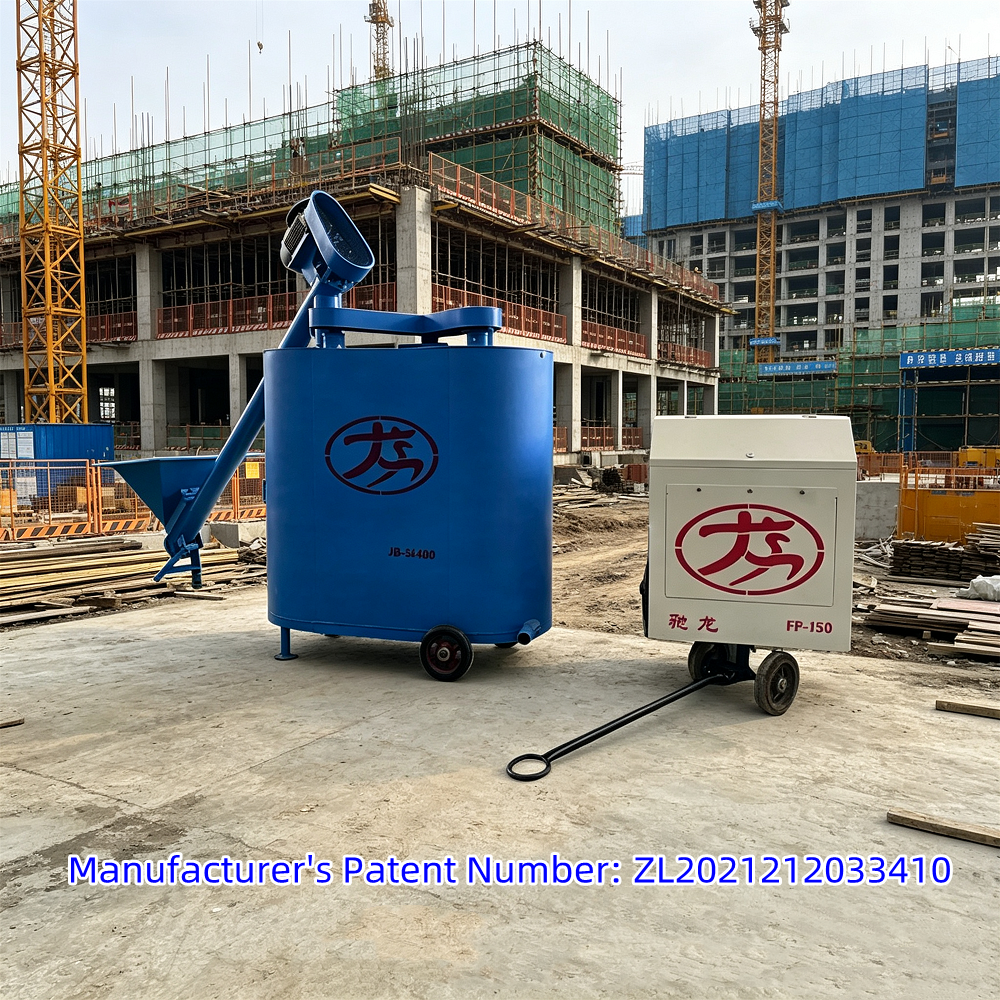
2、 Five core construction advantages of foam concrete equipment
1. Significantly reduce labor and project duration, and lower overall construction costs
A single device only requires 1-2 workers to be on duty, saving more than 30% of labor costs compared to traditional manual mixing; The continuous discharge pouring speed is fast, and the daily construction volume can reach 50-120m ³. The roof insulation and slope making are formed in one step, eliminating the two processes of insulation board laying and mortar leveling, and shortening the overall construction period by more than 20%. Raw materials can be mixed with a large amount of fly ash and slag waste to further reduce the cost per cubic meter.
2. The performance of the finished slurry is stable, and the engineering quality is controllable
The independent foaming control system accurately adjusts the foam content, standardizes the unit weight and compressive strength, stabilizes the closed cell rate by more than 85%, and the thermal insulation, sound insulation, and fire resistance meet the national green building materials specifications; Solve the common problems of old equipment foam easy to burst, slurry layering, uneven thickness, floor heating, and rarely appear after the completion of the roof bulge, water seepage, cracking after-sales problems.
3. Ultra long distance pumping, versatile for complex working conditions
High pressure pumping is suitable for high-rise residential roofs, underground garage backfilling, narrow tunnels, bridge backs, and mine cavity filling; Narrow pipeline gaps and irregular foundation pits can be self filled, with better compaction than traditional sand and gravel backfilling, completely solving the common problems of bridge head jumping and soft roadbed settlement in the road and bridge engineering industry.
4. One machine with multiple uses, covering all construction scenarios in the industry
A set of equipment can adapt to a variety of projects without replacing the core components: light insulation layer, ground heating backfill, foundation pit cavity filling, road and bridge soft foundation replacement, light steel villa cast-in-place wall, pipeline trench backfill, sound insulation cushion, foam concrete block prefabrication production. A small and medium-sized construction team has one equipment to undertake various projects, and the utilization rate of equipment is full.
5. Low energy consumption, low-carbon environmental protection, in line with green building acceptance standards
The dead weight of foam concrete is only 1/3 – 1/5 of ordinary concrete, reducing the main load of the building, reducing the cost of structural reinforcement and foundation; There is no large amount of dust during construction, high utilization rate of waste materials, low energy consumption during equipment operation, Class A non combustible finished products, insulation and energy-saving effects that meet energy-saving acceptance requirements in various regions, and are suitable for green building and prefabricated building policy requirements.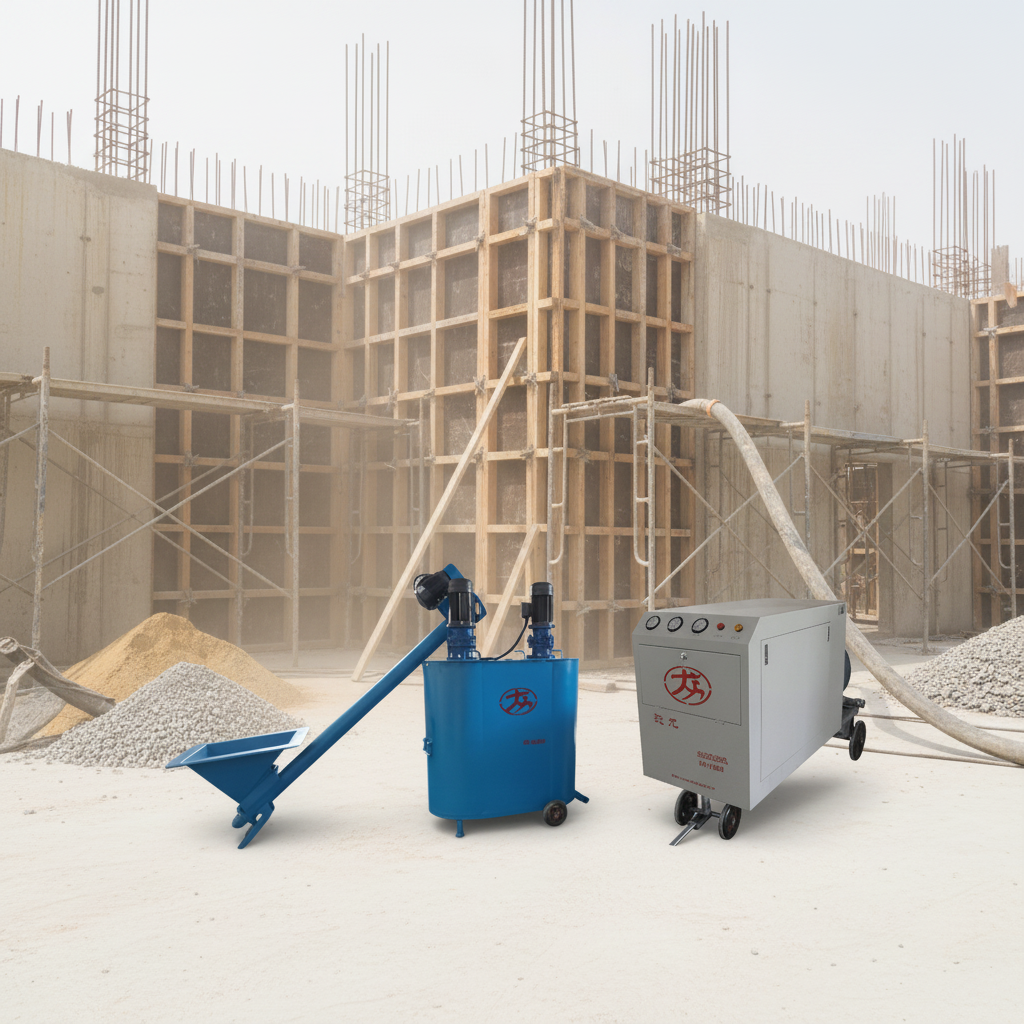
3、 Mainstream construction application scenario of foam concrete equipment
Scenario 1: Building and home decoration - roof insulation and slope making, floor heating backfilling
Sloping and insulation of roofs in residential buildings and commercial shopping malls are the most commonly used scenarios for equipment. Lightweight slurry is poured and formed in one go, integrating insulation and waterproofing; The underfloor heating cushion layer has uniform thermal conductivity and no cracking, protecting the underfloor heating pipeline. It is a standard equipment for decoration and civil engineering subcontracting.
Scenario 2: Municipal underground engineering - backfilling of basements, pipe trenches, tunnel cavities
The weight of the underground garage roof is reduced, cable trenches, sewage pipe gaps, and tunnel surrounding rock cavities are filled. It has strong fluidity and can completely fill irregular cavities. Its light weight will not compress underground pipelines, and it has excellent waterproof and anti-seepage effects.
Scenario 3: Traffic Road and Bridge Engineering - Bridgehead Backfilling, Soft Roadbed Replacement, Soundproofing Layer
Backfilling of highways and urban elevated bridges, replacement of low-lying soft soil roadbeds, significantly reducing the self weight of soil and controlling uneven settlement from the source; Lightweight sound insulation layers can also be poured on-site to replace sound insulation bricks, increasing construction speed by several times.
Scenario 4: Production of prefabricated building materials - prefabrication of foam concrete blocks and lightweight wallboards
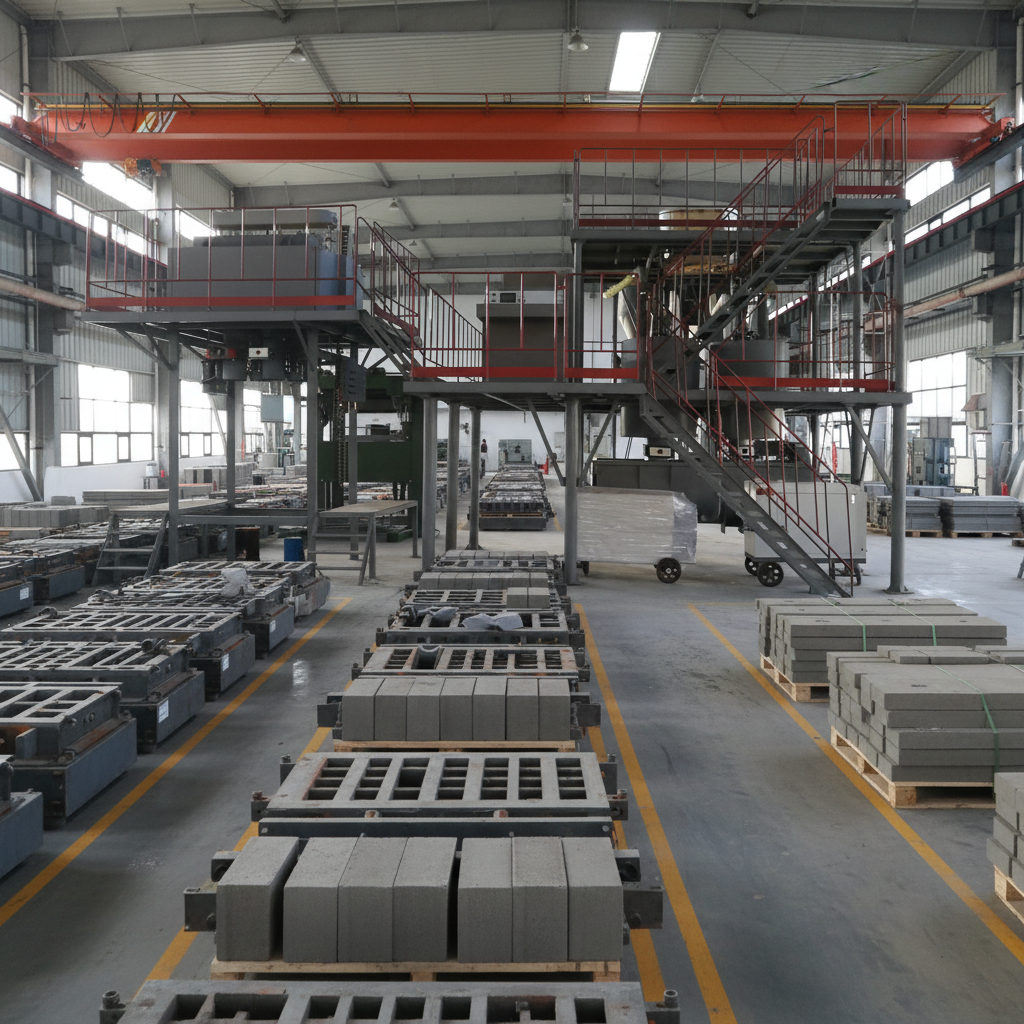
Large scale fully automatic complete equipment with mold production line, batch production of CLC lightweight blocks and partition boards, factory continuous production, automated pouring, curing, cutting, suitable for large-scale production of building materials factories.
Scenario 5: Special Engineering - Mine Filling, Reinforcement and Weight Reduction of Old Buildings, Cold Storage Insulation
Underground mine goaf filling, old building reinforcement and weight reduction, cold storage low temperature insulation layer, low-density foam concrete heat insulation and weight reduction, special models support stable production of low volume weight 300 – 500kg/m ³ slurry.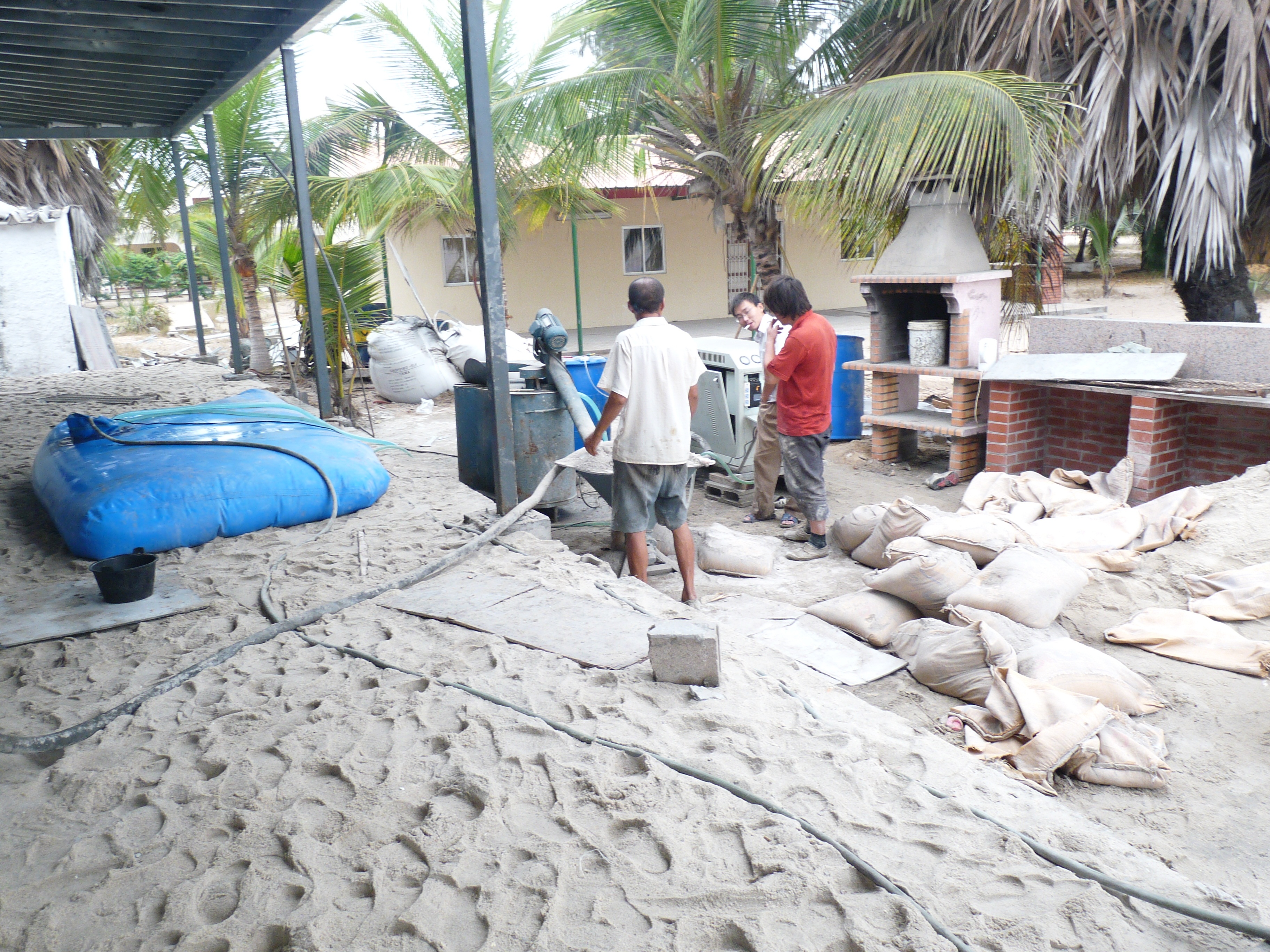
4、 Guide for selection of foam concrete equipment
1. Select the type of machine according to the construction scale
-Home decoration/small construction site (floor heating, small roof): portable small foam concrete equipment with a capacity of 1.5-5m ³/h, 220V household voltage, portable and low price;
-Civil engineering subcontracting, medium-sized construction sites (high-rise roofs, basements): integrated fully automatic foam pumping machine, 380V industrial electricity, production capacity of 10-30m ³/h, automatic batching, long-distance pumping;
-Building materials factory, road and bridge large-scale projects: complete production line+powder material silo, production capacity of 60-100m ³/h, 24-hour continuous operation, equipped with automated feeding and cleaning system.
2. Prioritize these 3 points for core configuration
① Foaming system: the stability of foam directly determines the project quality;
② Pumping structure: Choose hose pumping for easy blockage and simple maintenance;
③ Control system: Priority PLC intelligent touch screen, parameters can be stored, switch between different ratios with one click retrieval, reducing human operation errors.
3. Key points of working condition adaptation
High voltage and large conveying machines are selected for high-rise buildings, tunnels, and long-distance backfilling; Selecting a constant temperature foam system for low-temperature construction in winter; Prefabricated blocks in the factory need to be equipped with large capacity mixing bins and automatic feeding devices.
5、 Industry development trend: intelligent foam concrete equipment becomes mainstream
In 2026, the requirements for building energy conservation and low-carbon construction will continue to upgrade, and old-fashioned manual foaming equipment will gradually be phased out. The two major development directions of the industry are clear:
1. Fully intelligent remote control: The new device is equipped with a remote monitoring module, which allows users to view production capacity, ratio, and equipment operation status on their mobile phones. It also provides automatic fault alarms and centralized control for multiple units in large-scale engineering projects;
2. Multi functional integrated: foaming, mixing, pumping, cleaning integrated single frame, modular design, universal and easy to replace accessories, convenient transportation and lifting, suitable for frequent site transfer needs;
3. Low carbon and lightweight production line: equipped with solid waste blending technology, maximizing the utilization of fly ash and slag, in line with the development direction of carbon neutral infrastructure, and the procurement demand for domestic and foreign infrastructure projects continues to rise.
ending
As the core production equipment of green light building materials, foam concrete equipment covers multiple tracks of civil, municipal, transportation and prefabricated building materials, with stable return on investment. Engineering companies and building materials factories should not only compare prices when purchasing, but also focus on matching their own construction scenarios, production capacity requirements, and automation configurations. They should choose integrated equipment with stable foaming, strong pumping, and perfect after-sales service to truly improve construction efficiency and reduce overall project costs.