 EN
EN

Introduction
For modern flat‑roof projects across residential, commercial and industrial buildings, cast‑in‑place foam concrete (also known as cellular concrete) has become a highly‑preferred solution for integrated roof insulation and slope forming. Different from traditional multi‑layer roof systems, foam concrete completes thermal insulation layer and slope‑making layer in one single pouring process, shortening construction cycles and lowering dead load on roof slabs.
However, stable roof results — no collapse, no delamination, consistent density — heavily rely on proper foam concrete equipment. Poor‑quality foam generators will produce unstable bubbles, leading to shrinkage, cracking or layer separation after pouring. This article walks you through roof construction workflow, key quality points and what machinery you should select for roof jobs.
Why Choose Foam Concrete for Roof Projects
1. Combine insulation + slope forming in one layer
One‑step pouring creates drainage slope and thermal insulation layer, removing separate laying of insulation boards. Greatly cuts material cost and site working hours.
2. Lightweight load for roof slab
Typical roof‑grade foam concrete density ranges from 400‑800 kg/m³. It adds much less static load to existing roof structures, perfect for roof renovation work.
3. Excellent fire‑proof performance
In‑organic cement‑based material, class‑A non‑combustible performance, improving roof fire safety.
4. Good integrity & anti‑cracking performance
Monolithic cast‑in‑place structure without joints, reducing hidden water‑leak risks compared with assembled board materials .
Note: For roof application, suggested compressive strength ≥1.0‑1.5 MPa, thermal conductivity 0.08‑0.18 W/(m·K) according to local design requirements.
Standard Foam Concrete Roof Construction Workflow
Step 1: Base surface preparation
Clean roof slab surface thoroughly, remove dust, debris and loose concrete. Repair cracks and seal pipe roots. Keep base damp without standing water before pouring. Mark elevation points and slope reference lines according to design drainage gradient (normally 2 % slope).
Step2: Equipment commissioning & material preparation
Test‑run the whole foam concrete system: foam generator, mixing tank and delivery pump. Calibrate foam density. Prepare Portland cement, specialized foam concrete foaming agent and mixing water. It is critical to test foam stability before formal pouring on roof.
Step3: On‑site pouring & screeding
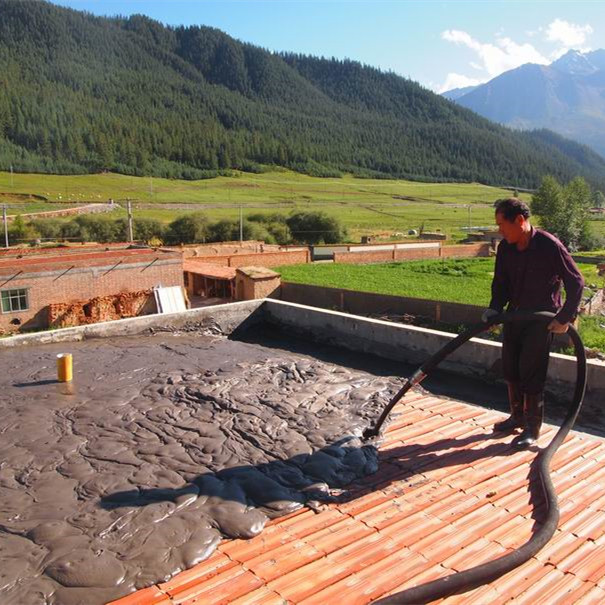
Stable fine foam is generated by foam generator, mixed evenly with cement slurry inside mixing unit, then pumped to roof surface. Continuous pumping pouring is recommended. Operators follow elevation markers and screed to finish slope surface in time.
Important tip: Avoid excessive single‑layer thickness, prevent material sliding and collapse on sloped roof surface.
Step4: Curing
Start moisture curing right after initial setting. Maintain surface wet for 7‑14 days. Protect fresh poured layer from heavy rain, strong wind and direct strong sunlight to avoid surface cracking.
Core Equipment for Foam Concrete Roof Construction
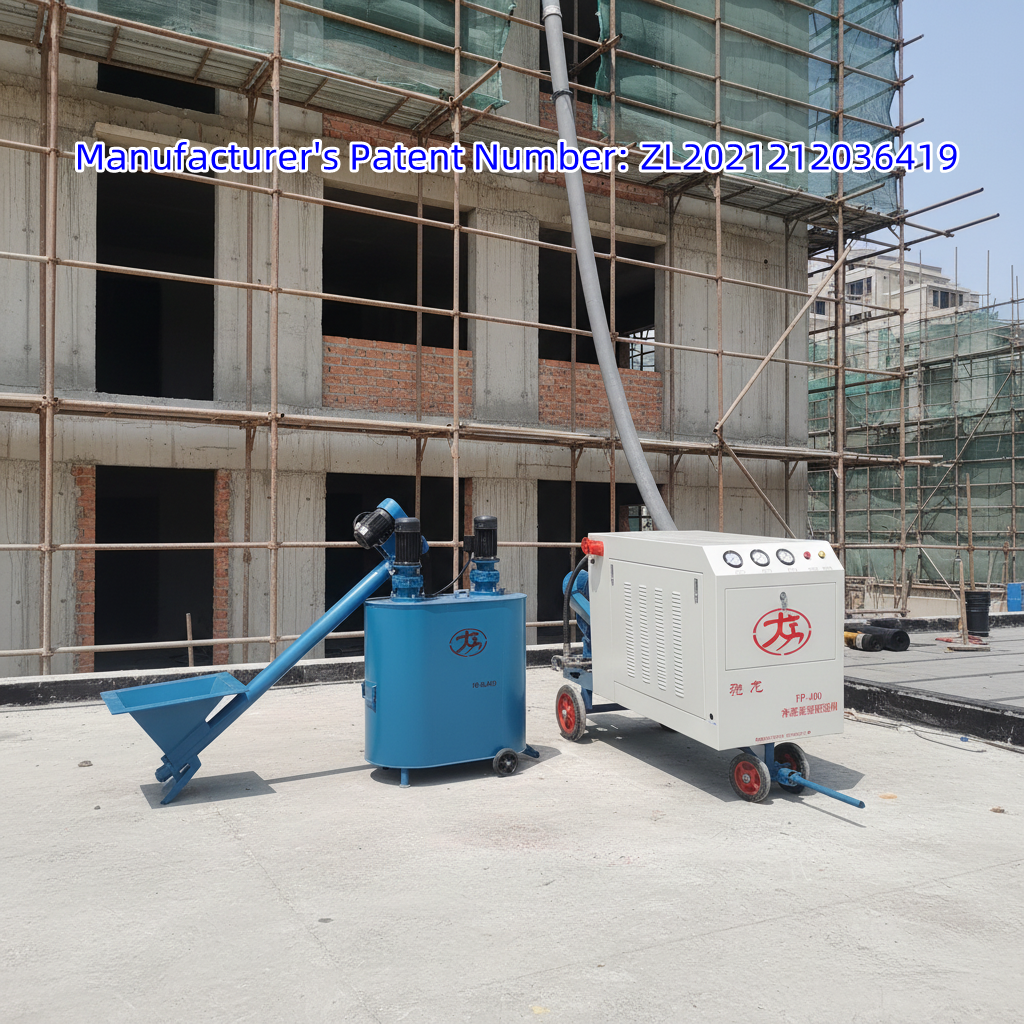
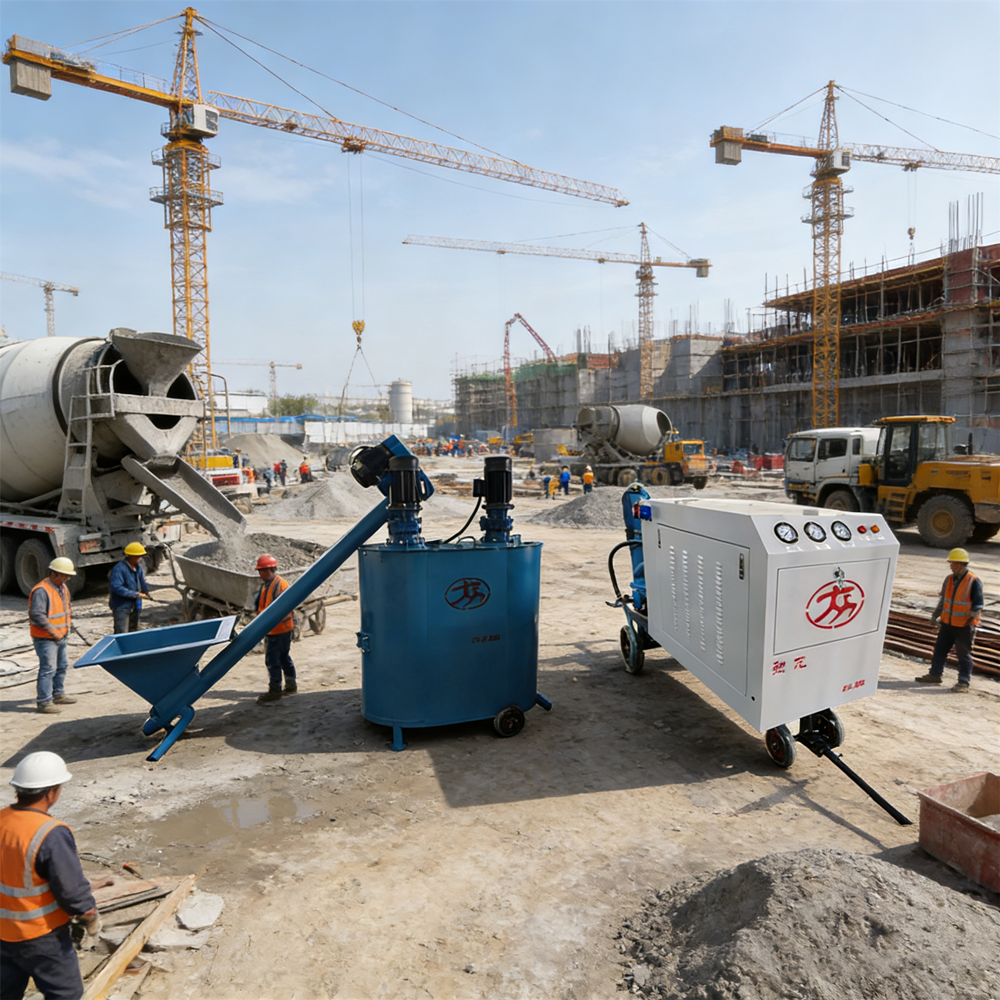
To achieve high‑quality roof pouring, 3 core units make up the complete working set:
1. Foam Concrete Machine
The heart of the whole system. It produces stable, fine and uniform foam. Consistent foam quality directly decides whether finished concrete will have delamination or collapse. easy to move on construction site. It delivers steady foam output suitable for small‑to‑medium roof renovation and new building roof projects.
2. Mixing Tank Unit
Specialized mixing tank blends cement slurry .
3. Foam Concrete Delivery Pump
Pump transports ready‑mixed foam concrete up to roof level. For rooftop jobs, vertical conveying capacity is a key index for machine selection.
Problem Root Cause Solution
Material sliding on sloped roof Too thick one‑time pouring Control single‑pour thickness, follow layered pouring procedure
Low construction efficiency Insufficient machine output Match equipment output with roof area; choose continuous‑working foam concrete system
FAQ
Q1: Can I use small hand‑mix tools for roof foam‑concrete work?
A: Not recommended. Manual mixing cannot create stable closed‑cell foam. For roof insulation and slope forming, dedicated mechanical foam concrete equipment is mandatory to guarantee long‑term roof performance.
Q2: What output capacity machine do I need for roof projects?
A: For residential renovation projects, 5‑12 m³/h output equipment fits well. For large‑area industrial roof, select higher continuous‑output split‑type units.
Q3: Is foam concrete suitable for old roof renovation?
A: Yes. Its lightweight feature brings low extra load for existing roof slabs. Confirm original roof structural load‑bearing capacity before construction.
Conclusion
Foam concrete brings huge advantages for roof insulation and slope‑forming jobs. Nevertheless, good material performance can only be realized with matched professional foam‑generating, mixing and pumping equipment. Stable foam from reliable generators helps you avoid collapse, delamination and cracking risks on roof layers.
If you are looking for complete foam concrete roof construction equipment including foam concrete mchine, feel free to contact us for technical data and quotation.
Q1: Can I use small hand‑mix tools for roof foam‑concrete work?
A: Not recommended. Manual mixing cannot create stable closed‑cell foam. For roof insulation and slope forming, dedicated mechanical foam concrete equipment is mandatory to guarantee long‑term roof performance.
Q2: What output capacity machine do I need for roof projects?
A: For residential renovation projects, 5‑12 m³/h output equipment fits well. For large‑area industrial roof, select higher continuous‑output split‑type units.
Q3: Is foam concrete suitable for old roof renovation?
A: Yes. Its lightweight feature brings low extra load for existing roof slabs. Confirm original roof structural load‑bearing capacity before construction.
Conclusion
Foam concrete brings huge advantages for roof insulation and slope‑forming jobs. Nevertheless, good material performance can only be realized with matched professional foam‑generating, mixing and pumping equipment. Stable foam from reliable generators helps you avoid collapse, delamination and cracking risks on roof layers.
If you are looking for complete foam concrete roof construction equipment including foam concrete mchine, feel free to contact us for technical data and quotation.