Introduction
Global construction industries are shifting toward low‑carbon, energy‑efficient building materials. Cellular Lightweight Concrete (CLC), also widely known as foam concrete, has become a popular choice for wall blocks, backfilling, roof insulation and floor screed projects worldwide. Behind every high‑quality CLC product sits a professional CLC foam concrete machine.
If you are a building contractor, block‑plant investor or construction material dealer, understanding how this equipment works will help you make smarter project and purchasing decisions. This article breaks down the definition, core components, working principle, key advantages and typical applications of CLC foam concrete machinery.
What Exactly Is a CLC Foam Concrete Machine?
A CLC foam concrete machine is integrated construction equipment designed to produce stable cellular lightweight concrete. Instead of compacting aggregates by high‑pressure vibration, it generates micro‑stable foam, injects foam evenly into cement‑based slurry, and creates countless closed air bubbles inside concrete mixture.
The final hardened material forms a honeycomb‑like closed‑cell structure, featuring low density, thermal insulation, sound insulation and fire‑resistant performance.
There are two main forms on the market:
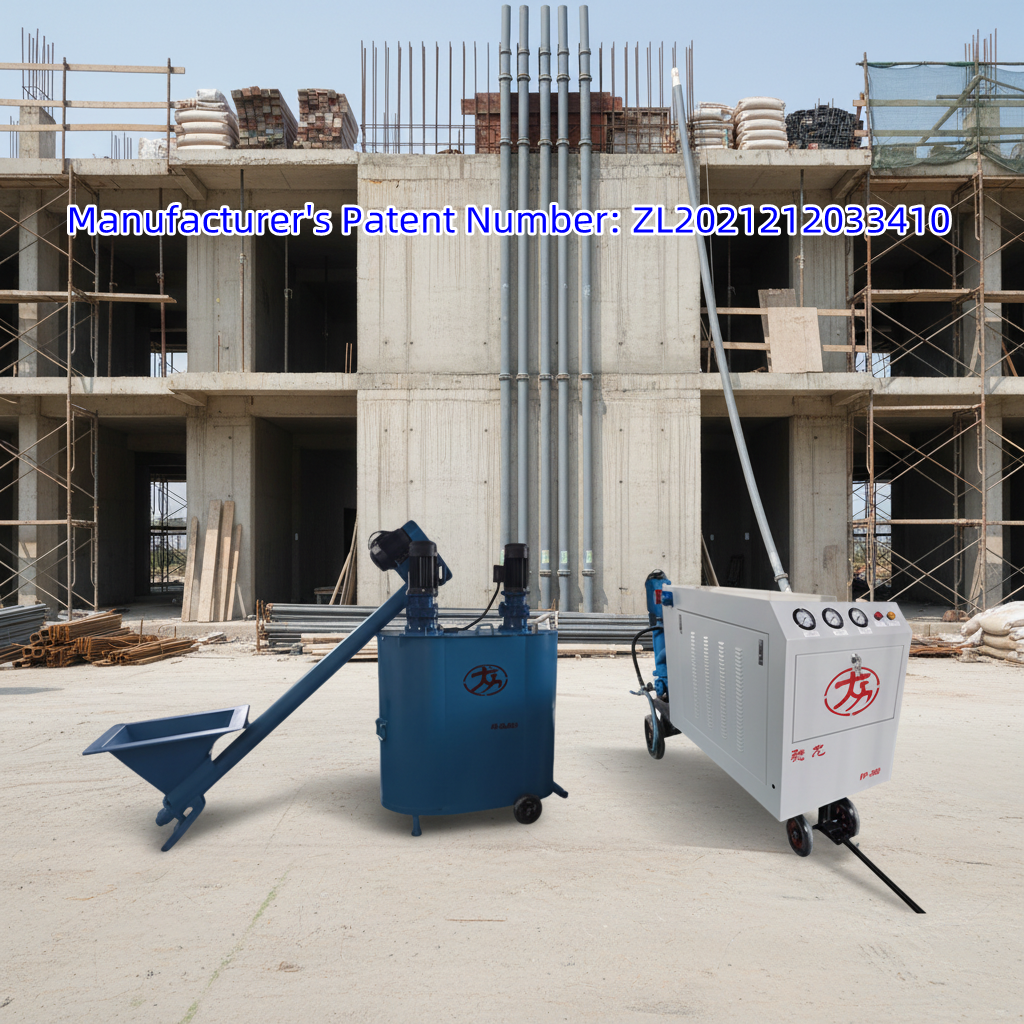
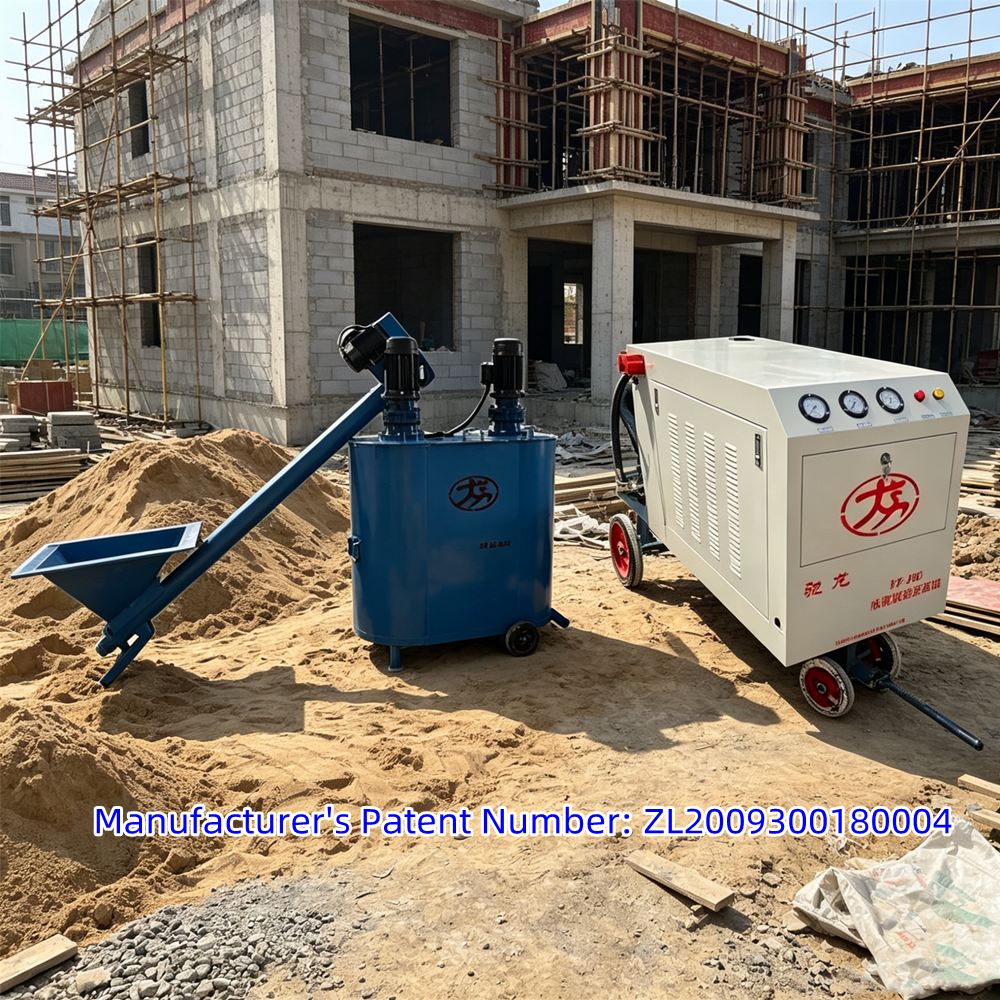
1. Portable combined unit: Foam generator + vertical mixing tank + feeding system, for small‑medium block workshops and on‑site pouring works.
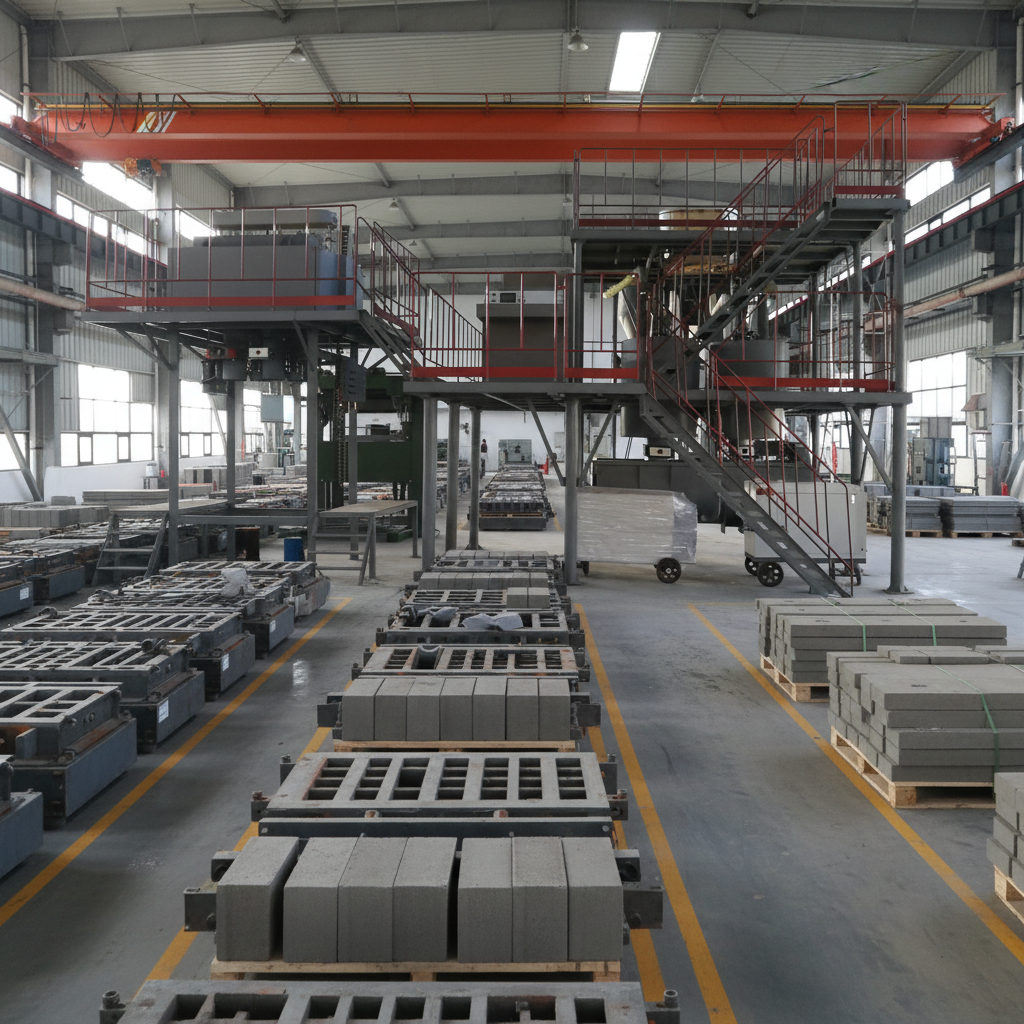
2. Full‑automatic CLC production line: Including batching system, large‑volume mixers, moulds, demoulding and cutting equipment, for mass‑volume commercial block manufacturing .
Core Components of CLC Foam Concrete Machine
A standard mobile CLC foam concrete system mainly consists of three key modules:
1. Foam Generator Unit
This is the heart of the whole set. It mixes water + specialized cement foaming agent with compressed air under controlled pressure, producing fine, long‑lasting stable foam. The quality of foam directly decides block density, strength and anti‑shrinkage performance. Poor‑quality foam will cause bubble collapse, block cracking and low finished‑product rate.
2. Mixing & Feeding Unit
Includes high‑efficiency mixing tank and screw conveyor. Raw materials such as cement, fly ash or stone powder are fed automatically. Foam and cement slurry are fully blended without breaking delicate bubbles, maintaining uniform density of the foam concrete slurry.
3. Pumping & Control Unit
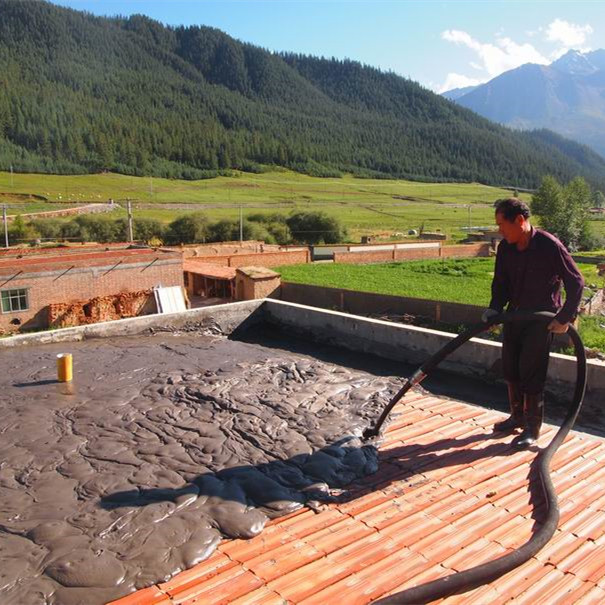
Equipped with heavy‑duty conveying pump and electric control panel. Operators adjust foaming ratio, output volume and pumping pressure on‑site. Mixed foam concrete can be pumped to casting moulds for block production or transported to high‑rise construction points for on‑site filling works.
How Does CLC Foam Concrete Machine Work?
The working flow is clear and straightforward:
1. Prepare raw materials: cement, water, industrial by‑products (fly ash / stone powder), and qualified building‑grade foaming agent.
2. The foam generator produces dense, stable closed‑cell foam.
3. Raw materials are fed into the mixing tank by screw feeder and stirred into uniform cement slurry.
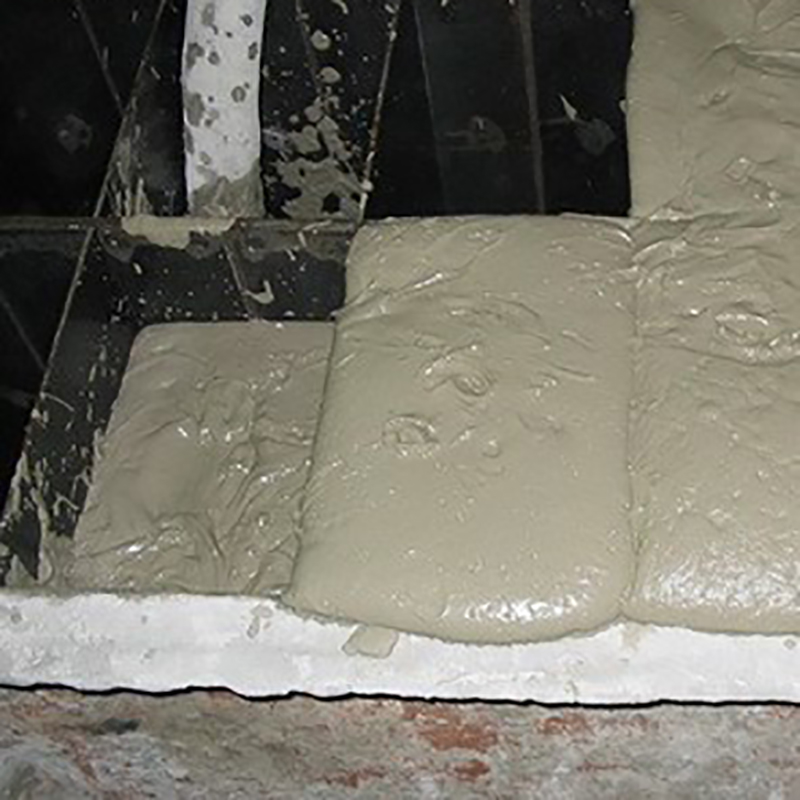
4. Pre‑made foam is injected into slurry, and homogenously mixed to form free‑flowing foam concrete.
5. The finished slurry is pumped into block moulds, or directly poured for on‑site construction.
6. Natural atmospheric‑pressure curing (no autoclave or high‑pressure boiler required). After hardening, you get lightweight CLC blocks or monolithic foam‑concrete layers.
Important note: Unlike AAC autoclaved aerated concrete, standard CLC foam‑concrete production needs no autoclave or steam boiler, greatly lowering equipment investment and energy consumption .
Key Advantages of Working with CLC Foam Concrete Machine
1. Low‑capital investment
Compared with AAC autoclaved block production lines, CLC foam‑concrete equipment cuts initial investment significantly. Small‑size mobile units can start production with limited plant space. You do not need to purchase expensive pressure vessels and supporting boiler infrastructure.
2. Green raw‑material flexibility
The system accepts large proportion of industrial solid waste including fly ash, quarry stone powder and slag. It turns waste into value, reduces cement consumption and complies with global sustainable‑building trends.
3. Multi‑purpose production capability
One set of machine supports multiple jobs: precast CLC wall blocks, partition panels, roof thermal insulation, highway bridge‑abutment backfill, underground void filling, floorand wall, etc. You can switch products just by adjusting foam proportion and mould sizes.
4. Easy operation & low running‑cost
Modern CLC machines adopt integrated control panels. Workers can master basic operation within short‑term training. Maintenance workload and power consumption stay at reasonable levels.
5. Excellent finished‑material performance
CLC products made by proper‑setup machines own closed‑cell structure: light weight, good heat preservation, sound‑proof, fire‑proof, low water absorption and less cracking risk. It helps end‑users cut building operational energy costs.
Typical Application Scenarios
- Pre‑cast CLC lightweight hollow & solid blocks for residential & commercial building walling
- Roof and floor thermal‑insulation lightweight concrete pouring
- Highway, subway, tunnel void and bridge‑back soft‑soil backfilling projects
- Non‑load‑bearing partition panels production
- Mine‑goaf, pipeline‑groove cavity filling
- Low‑cost housing, prefabricated building projects in Africa, Middle East, Southeast Asia and Latin‑American markets
CLC Foam Concrete Machine VS AAC Autoclave Equipment
Item CLC Foam Concrete Machine AAC Autoclaved Aerated Concrete Line
Curing condition Natural / low‑temperature curing, no autoclave Must use high‑pressure autoclave & boiler
Initial investment Low Very high
Factory space requirement Small‑to‑medium plant Large‑scale factory
Raw‑material adaptability High, supports large‑volume solid waste Limited
Output flexibility Mobile on‑site pouring + pre‑cast block Only factory pre‑cast production
Tips When Selecting Your CLC Foam Concrete Machine
1. Confirm your main business: pre‑cast block manufacturing or on‑site backfill & insulation works, to choose between stationary production line or mobile integrated unit.
2. Check core foam‑generator performance: stable foam output, adjustable density range, compatible with construction‑grade protein / compound foaming agent.
3. Verify pumping distance & vertical lifting height according to your job‑site conditions.
4. Prioritize complete after‑sales service: machine installation, commissioning, formula guidance and operator training. Poor formula support will lead to high reject‑rate even with good‑quality hardware.
5. Budget planning: match machine capacity with your expected daily production volume, avoid over‑investment or insufficient output.
Final Words
As energy‑saving and eco‑friendly building codes keep tightening around the world, CLC foam‑concrete technology will keep expanding its market share. A reliable CLC foam concrete machine is not only block‑making hardware; it is a complete solution combining equipment, raw‑material formula and on‑site technical support.
Whether you plan to build a new lightweight‑block factory or undertake large‑volume backfill and insulation contracts, selecting the right CLC system will bring long‑term return on your construction‑material business.
 EN
EN