 EN

Introduction
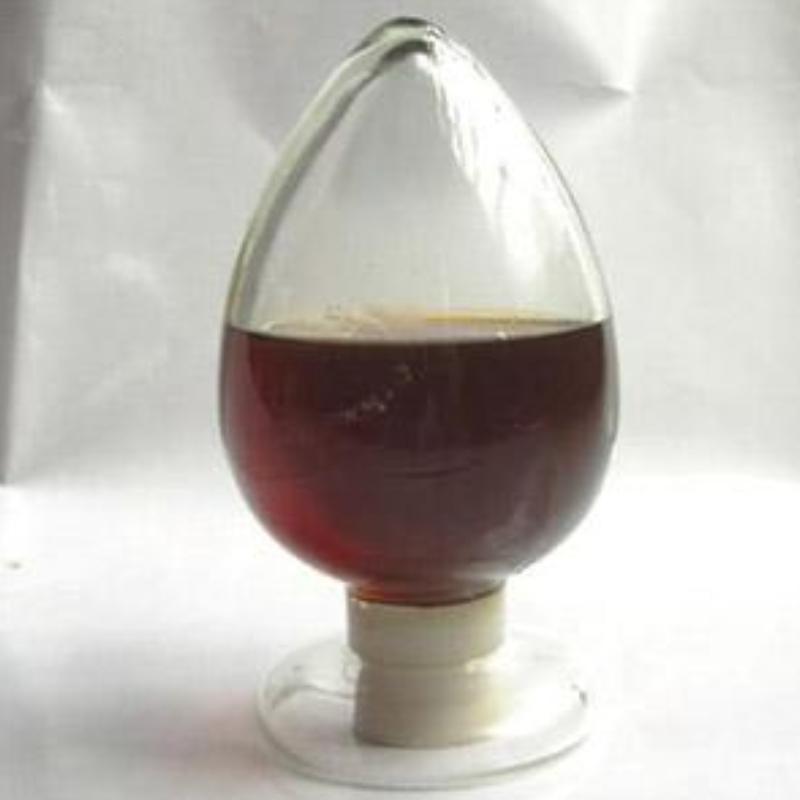
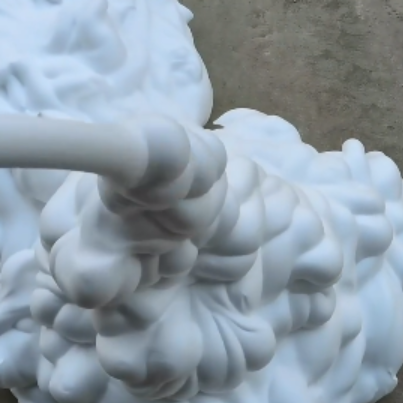
Cement foaming agent, also known as foam concrete foaming agent, is a key chemical additive used to generate stable, fine and uniform foam. When mixed with cement slurry, it creates a large number of closed or semi-open air pores inside the cement matrix, producing lightweight foam concrete (CLC, Cellular Lightweight Concrete).
Compared with ordinary cement concrete, foam concrete has much lower density, excellent thermal insulation, sound absorption, fire resistance and good fluidity. The performance of the final product — including dry density, compressive strength, pore structure and stability — heavily depends on the quality of the cement foaming agent.
Main Types of Cement Foaming Agent
1. Protein-based (Animal / Plant Protein) Foaming Agent
- Animal protein: Made from animal keratin. It features high foam stability, strong foam film toughness, low foam collapse rate, and good strength of finished foam concrete. Widely used for CLC blocks, wall panels and backfill projects.
- Plant protein: Extracted from plant raw materials. It has good environmental performance, moderate cost, suitable for general thermal insulation and filling applications.
2. Synthetic Surfactant Foaming Agent
Based on synthetic surfactants such as anionic surfactants. It has high foaming multiple, low price, but the foam stability is relatively weaker. It is suitable for low-density filling, road backfill and large-volume works where cost priority is high.
3. Composite Foaming Agent
Combines protein components and synthetic surfactants. It balances high foaming ratio, foam stability and cost, which is the most popular choice in modern foam concrete plants.

Core Performance Indicators
When selecting a cement foaming agent, buyers should pay attention to these key parameters:
- Foam expansion ratio (foaming multiple): The volume multiple after dilution and foaming
- Foam half-life: How long the foam keeps stable before breaking
- Bleeding rate: Liquid separation of foam, lower value means better stability
- Compatibility with cement: No adverse reaction with cement, does not seriously delay cement setting
- Dry density & compressive strength of final CLC product
Working Principle
The foaming agent solution is diluted with water, then pumped into a special foam generator. High-speed shear or compressed air breaks the solution into countless tiny bubbles. The stable foam is then mixed homogeneously with cement slurry. After cement hydration and hardening, bubbles are locked inside, forming porous lightweight cement material.
Typical Applications
✅ CLC foam concrete blocks & bricks
✅ Roof thermal insulation and floor screed
✅ Road, tunnel and mine backfill
✅ Lightweight wall panels
✅ Ground stabilization and subsidence filling
✅ Fireproof insulation layer
Advantages of High-quality Cement Foaming Agent
1. Fine, uniform bubble size, less bubble merging and collapse
2. Good adaptability to different cement grades
3. Stable batch quality, low fluctuation
4. Environmentally friendly, low corrosion to equipment
5. Helps achieve target dry density and compressive strength reliably
Selection Tips
- For CLC block production with high strength requirement → prefer protein / composite foaming agent
- For large backfill projects with budget control → synthetic type can be considered
- Always carry out trial mixing before mass production, test foam stability, setting time and strength
- Store in cool, dry place, avoid freezing and direct sunlight
Conclusion
Cement foaming agent is the core consumable for cellular lightweight concrete. A proper foaming agent directly decides product quality, production yield and project cost. Choosing the right type according to your project, equipment and target density is essential for stable foam concrete production.